Story
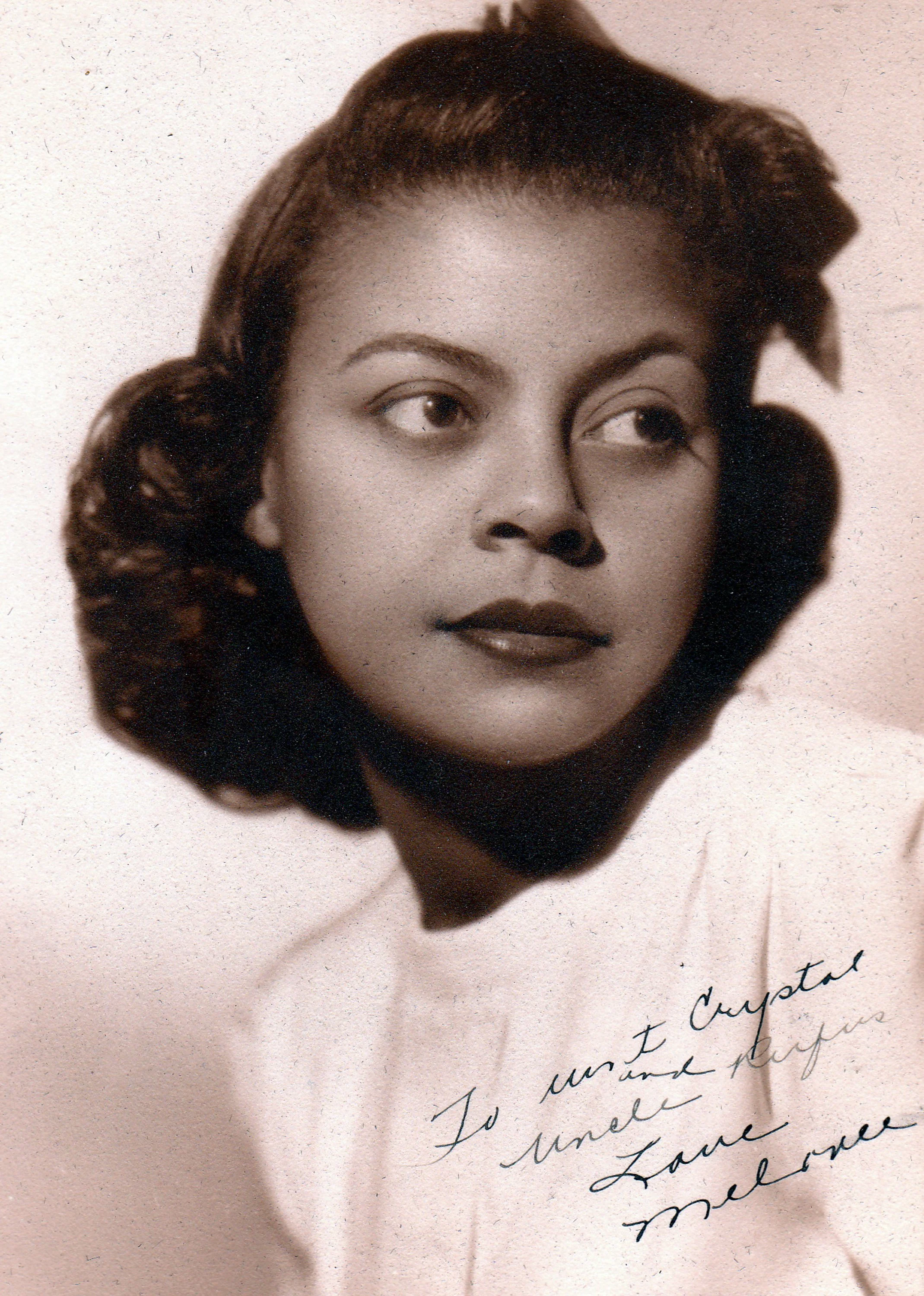
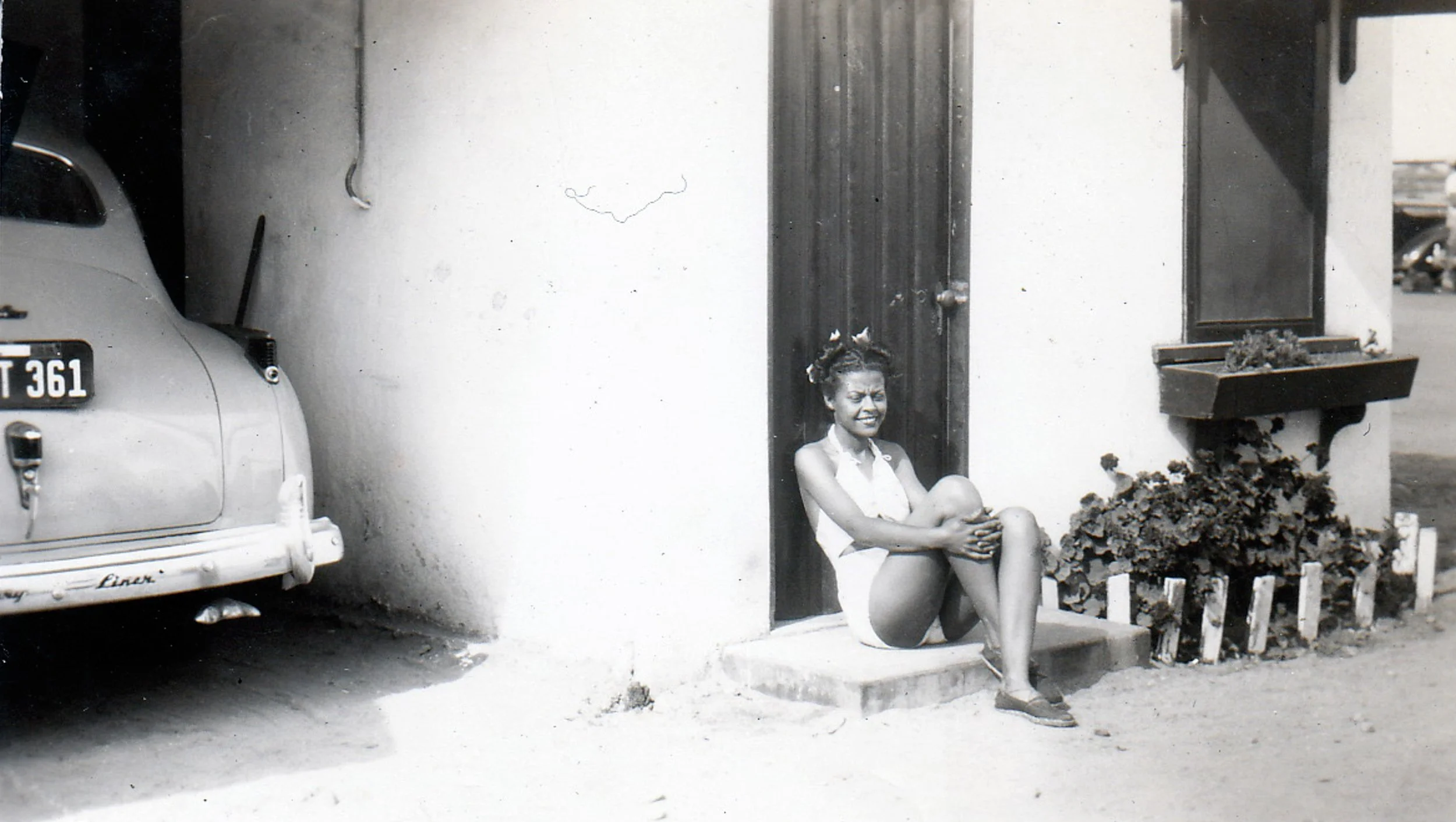
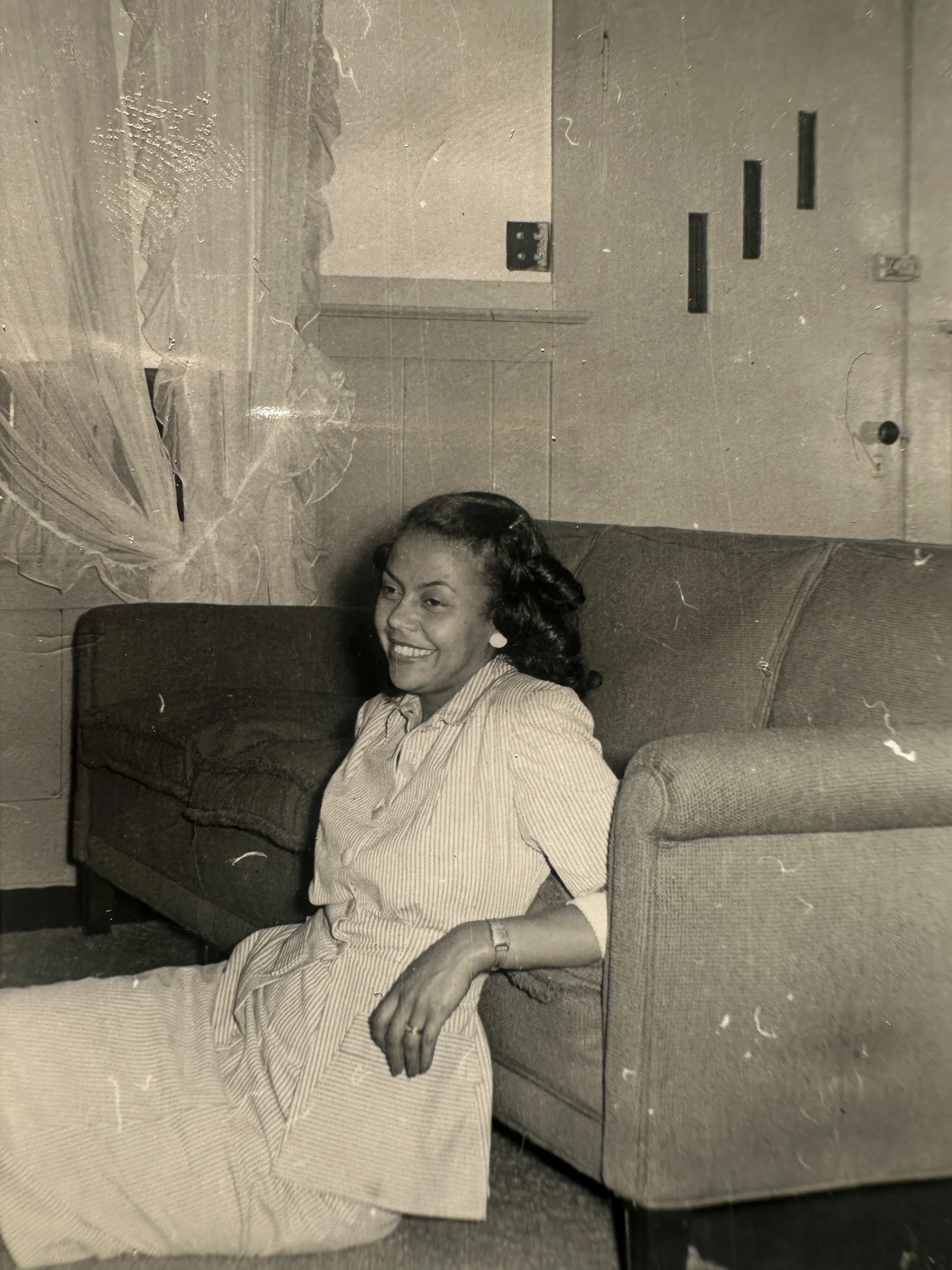
Melonee Temple Blocker
(1921–2006)
Early Life and Education
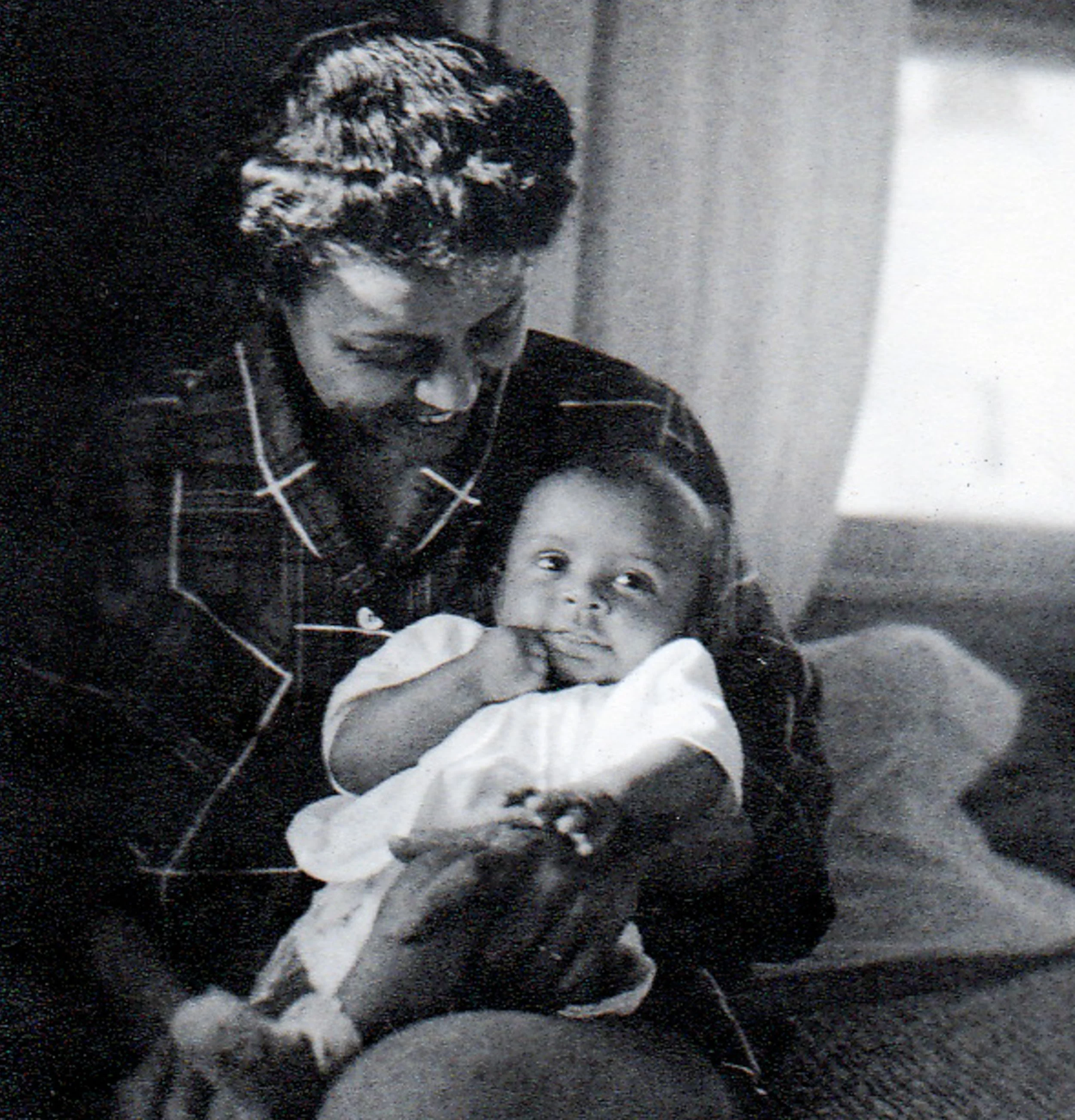
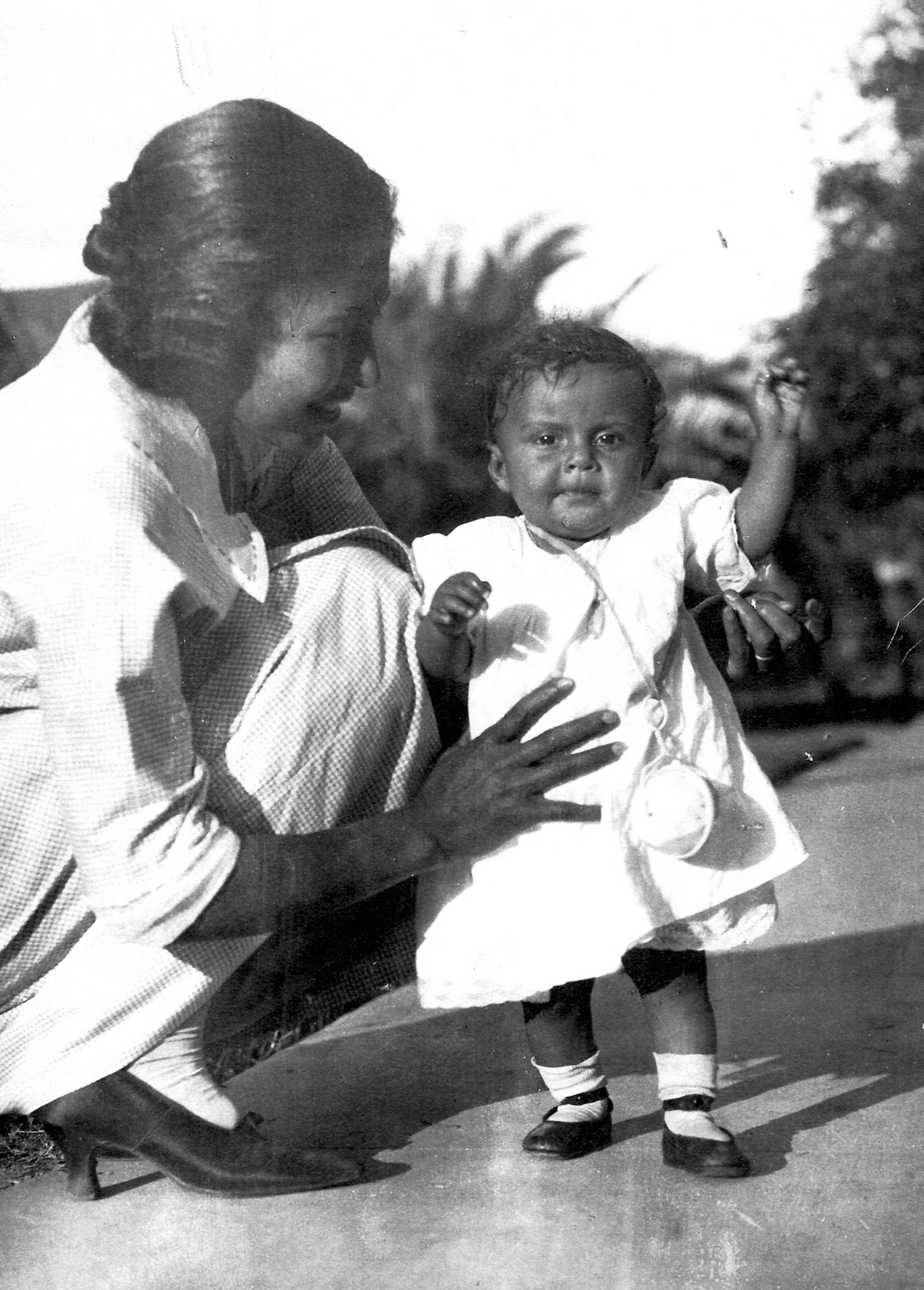
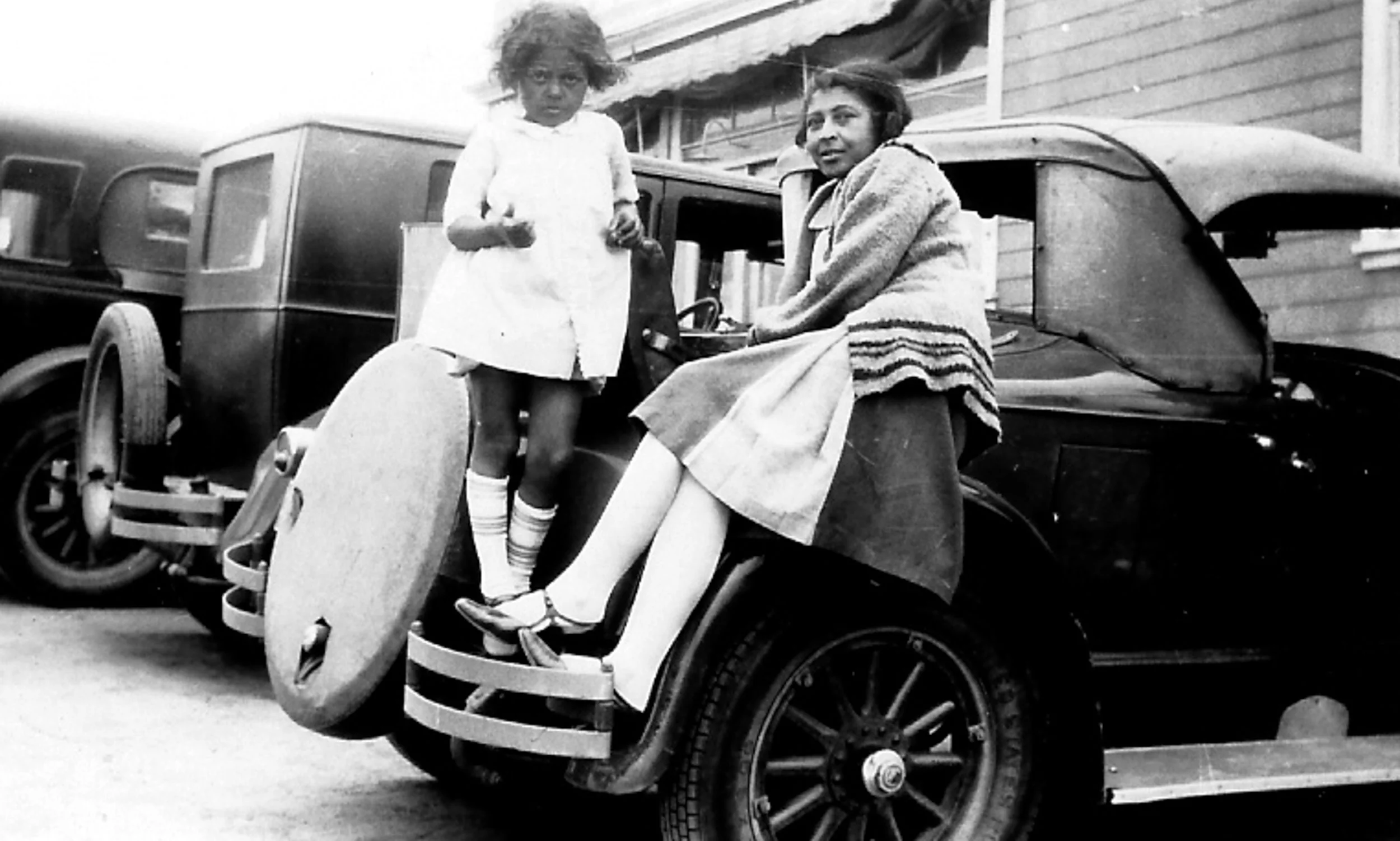
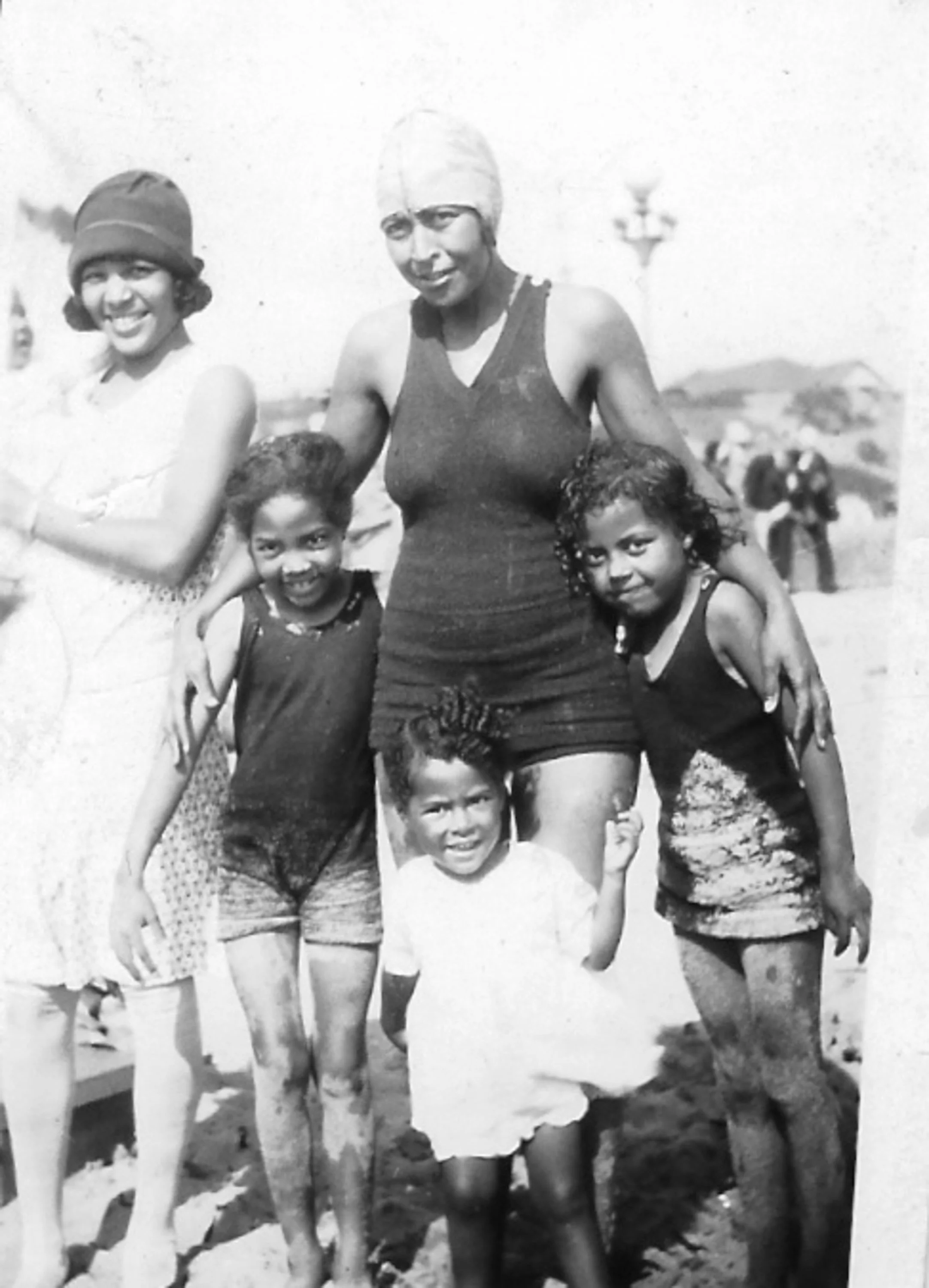
She was born into two deeply artistic families shaped by the Great Migration—when Black Americans moved west in search of opportunity and relief from the violence and systemic oppression of the Jim Crow South. For families like the Temples of Natchez, Mississippi, and the Browns of Arkansas, California represented hope, despite the risks.
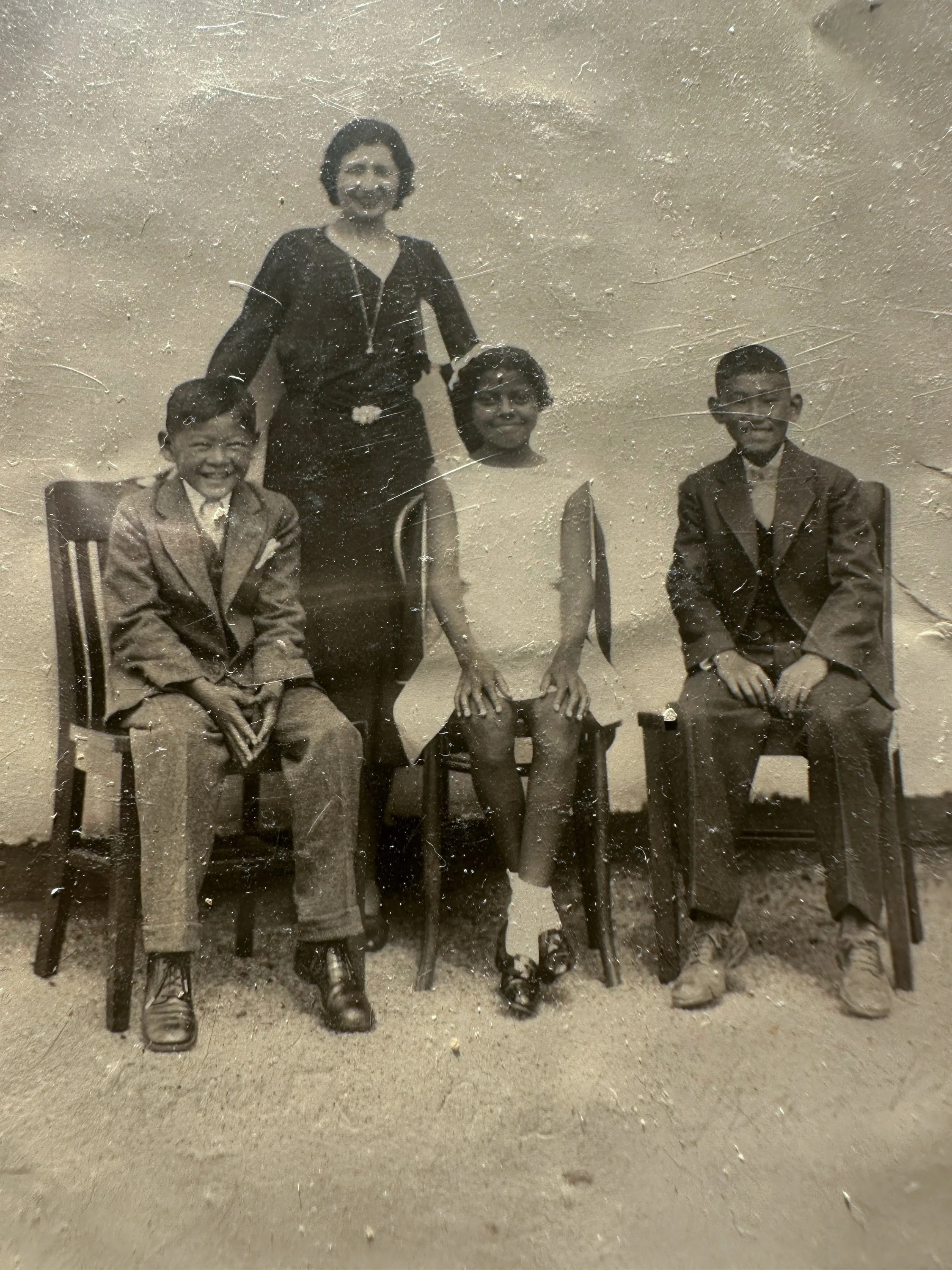
Both families settled in Southern California—the Temples in Los Angeles and the Browns in Santa Monica. Among their children were Richard Temple and Hazel Brown, each encouraged to pursue creative expression. However, in the early 20th century, a professional career in the arts was largely inaccessible to Black Americans. As a result, many Black creatives found work in trades that allowed them to express their artistic skills in limited but meaningful ways.
Melonee’s mother, Hazel Maybier Brown Temple, was a gifted and industrious artist. In addition to drawing, painting, and creating woodcut prints, she worked as a seamstress, designing elaborate gowns to support her artistic pursuits. She was also politically engaged, serving as the Santa Monica correspondent for The Los Angeles Post, a Black newspaper. Melonee’s father, Richard Temple, worked in an automobile paint shop known for fine lacquer and intricate pinstriping. In his spare time, he painted in watercolor and created mosaic tile works.
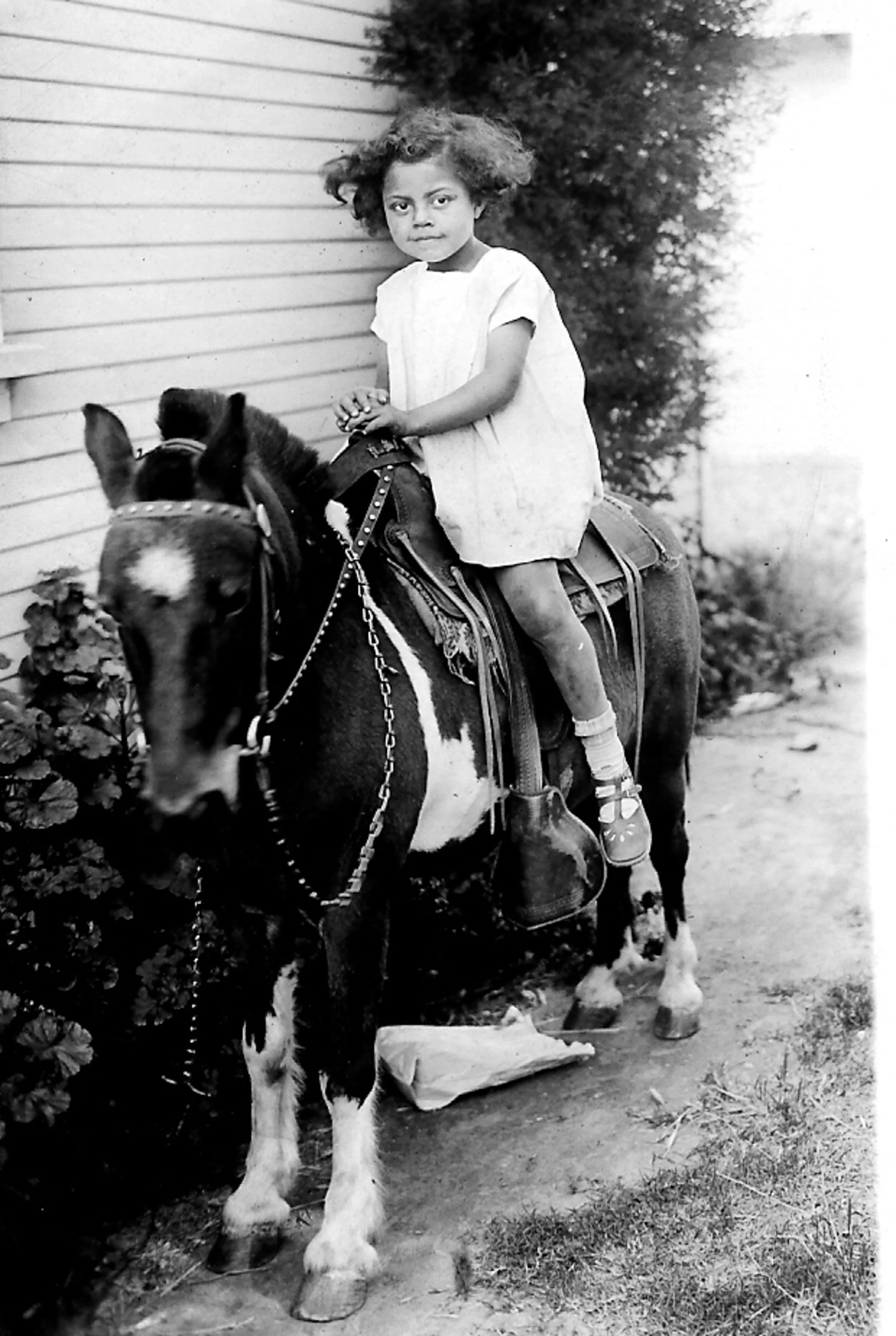
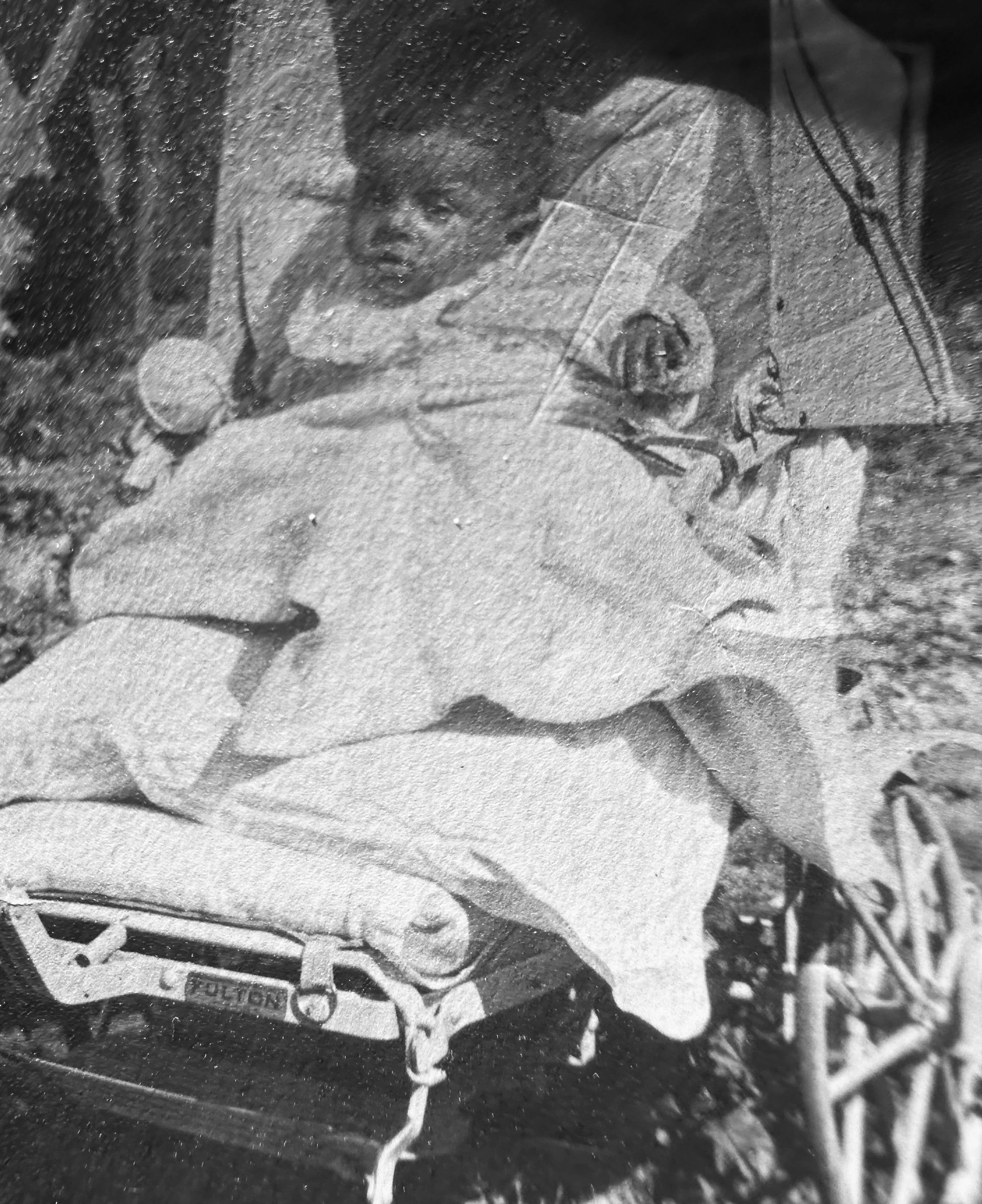
Their union brought forth Melonee, who was born in Los Angeles in 1921.
Career and Community Impact
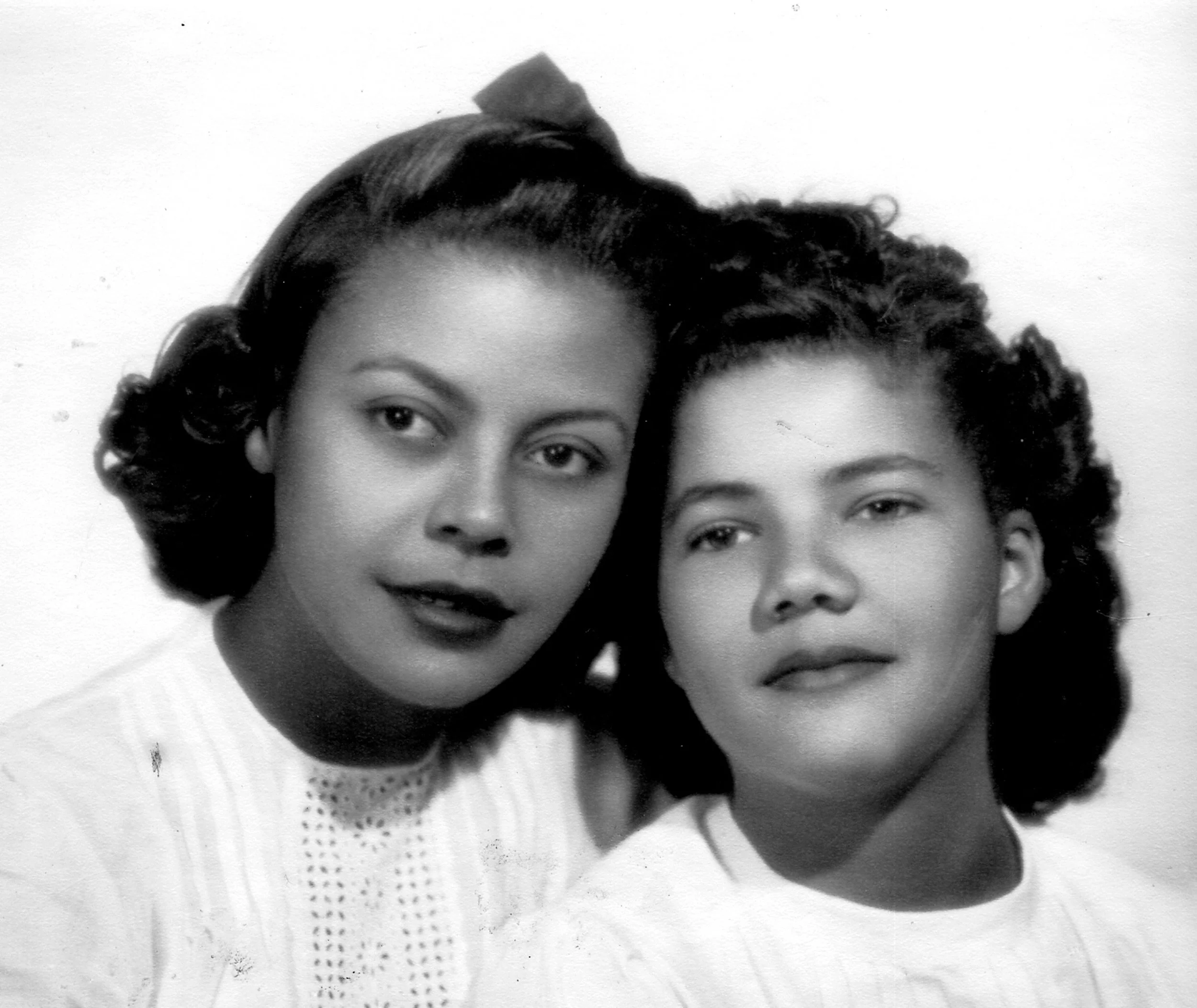
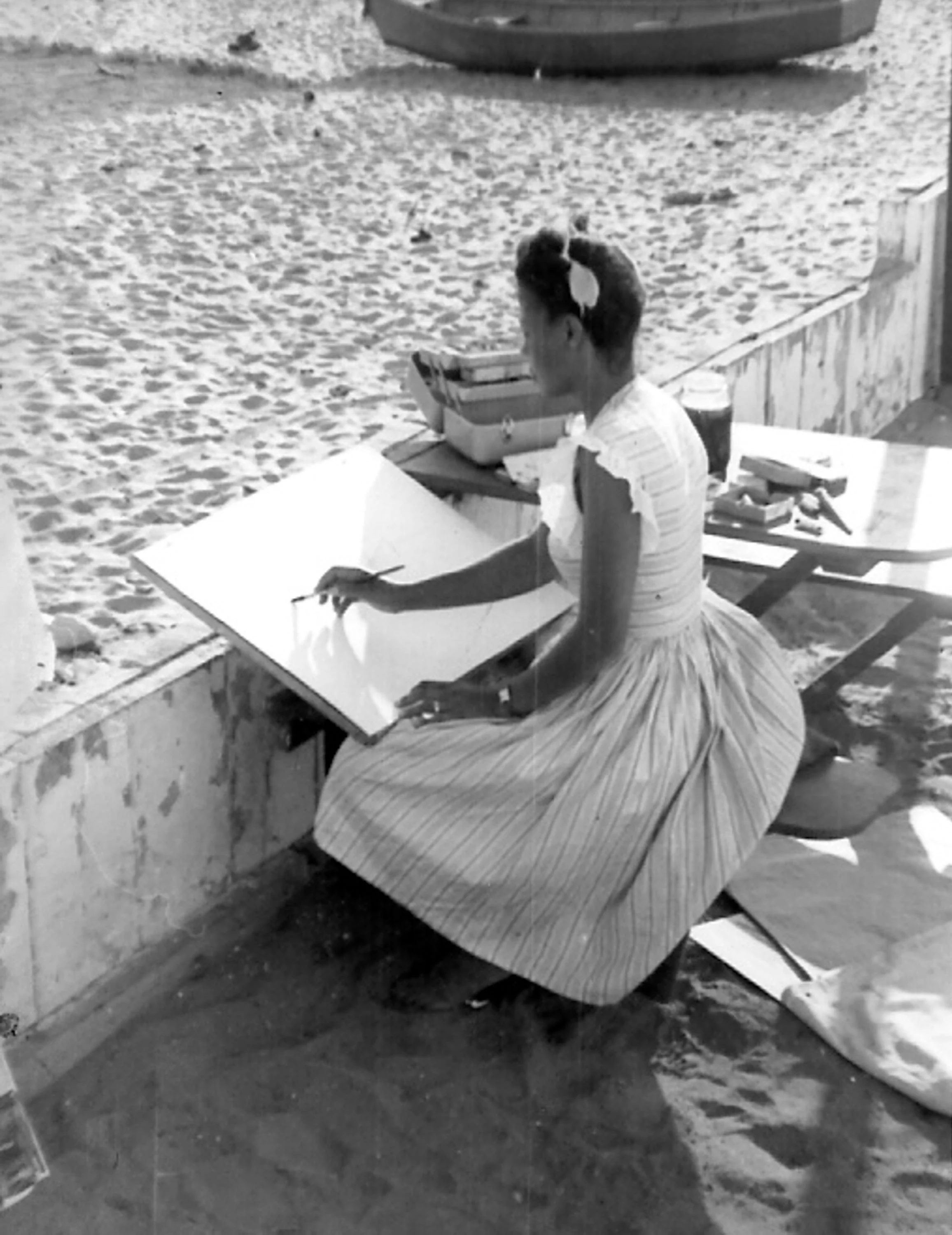
Growing up surrounded by creativity, Melonee excelled in visual arts and design. Tragedy struck early when her mother died suddenly in 1937, while Melonee was still in high school. Despite this loss, she persevered, continuing her artistic development while being raised by extended family on 36th Place.
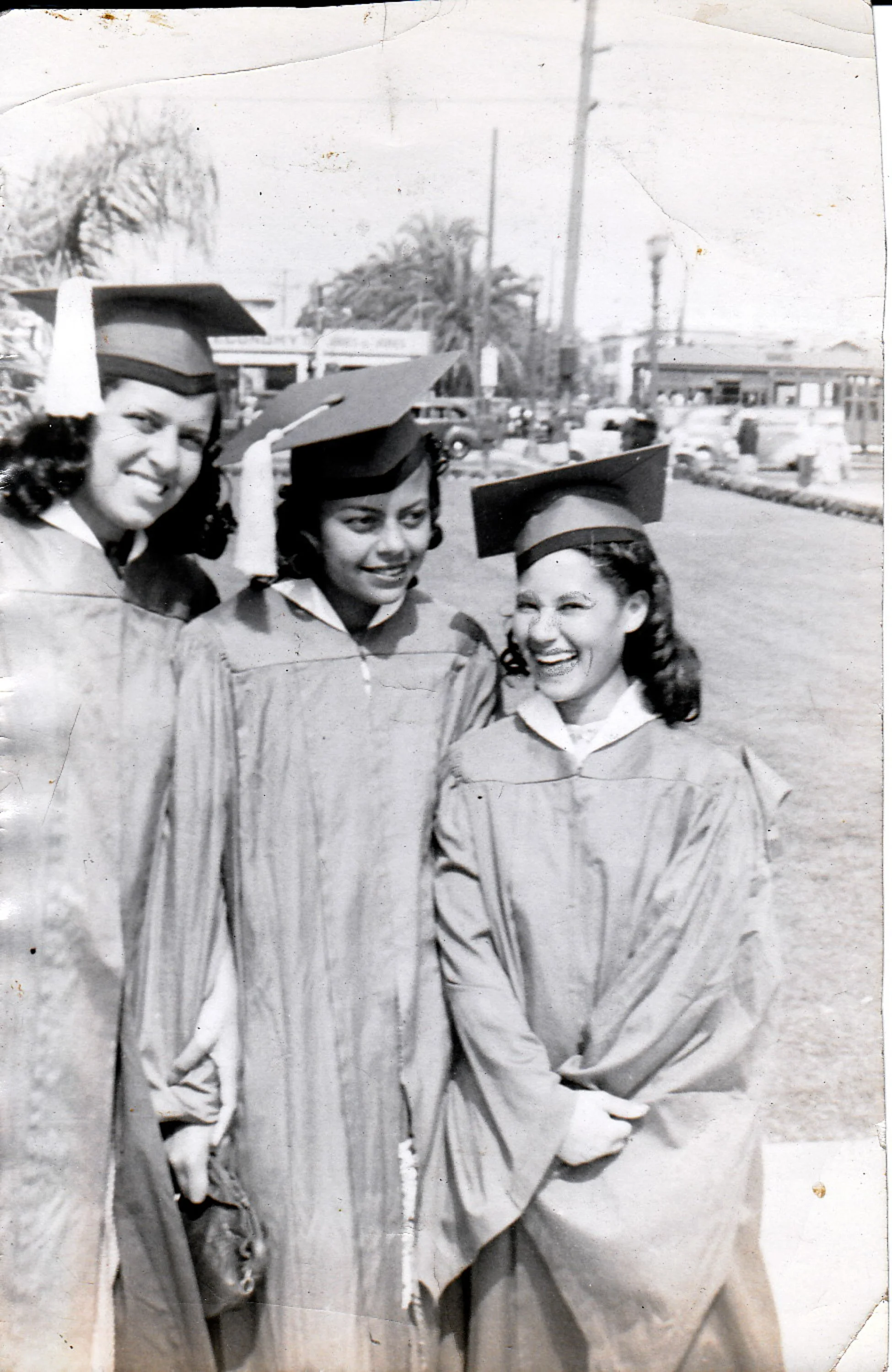
She attended Manual Arts High School, where she specialized in fashion design, painting, life drawing, and illustration. Her work was published in the school yearbook, and she graduated with honors. She then enrolled at UCLA, earning a Bachelor of Arts degree in Fine Art and Art Education, along with her California teaching credentials.
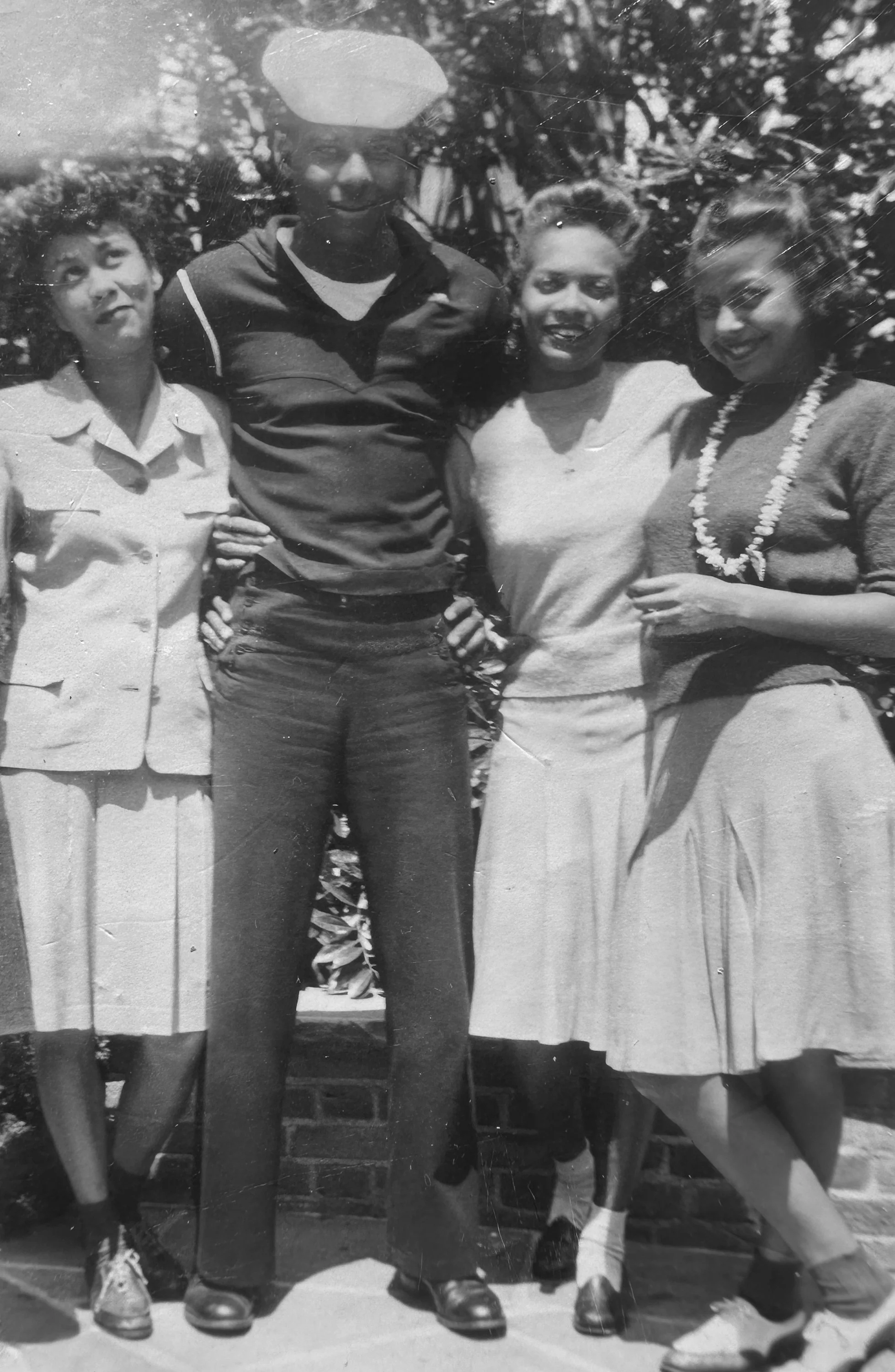
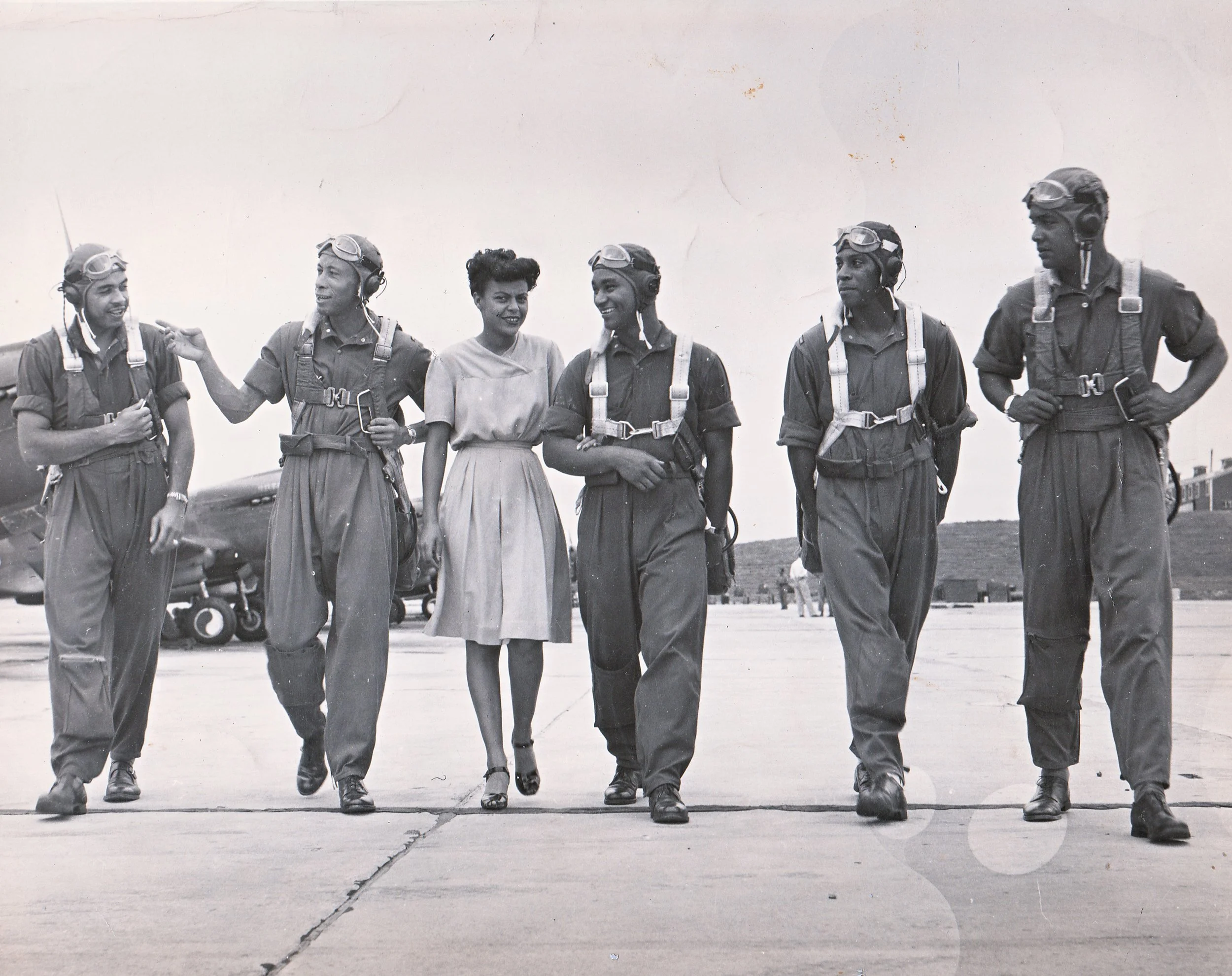
During her university years, she formed friendships with notable figures such as Jackie Robinson and Kenny Washington. She also volunteered with the USO during World War II, helping to welcome troops, including the Tuskegee Airmen.
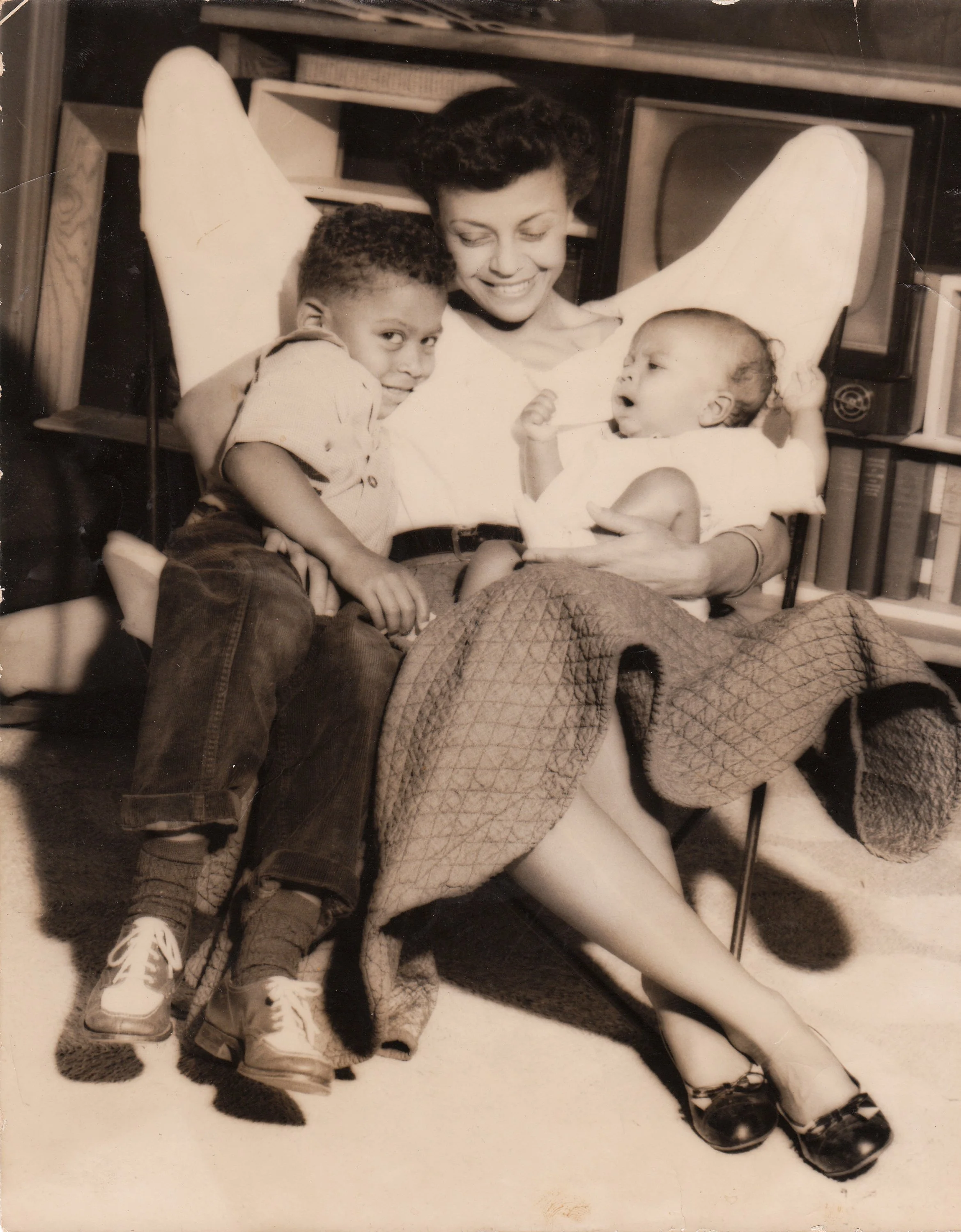
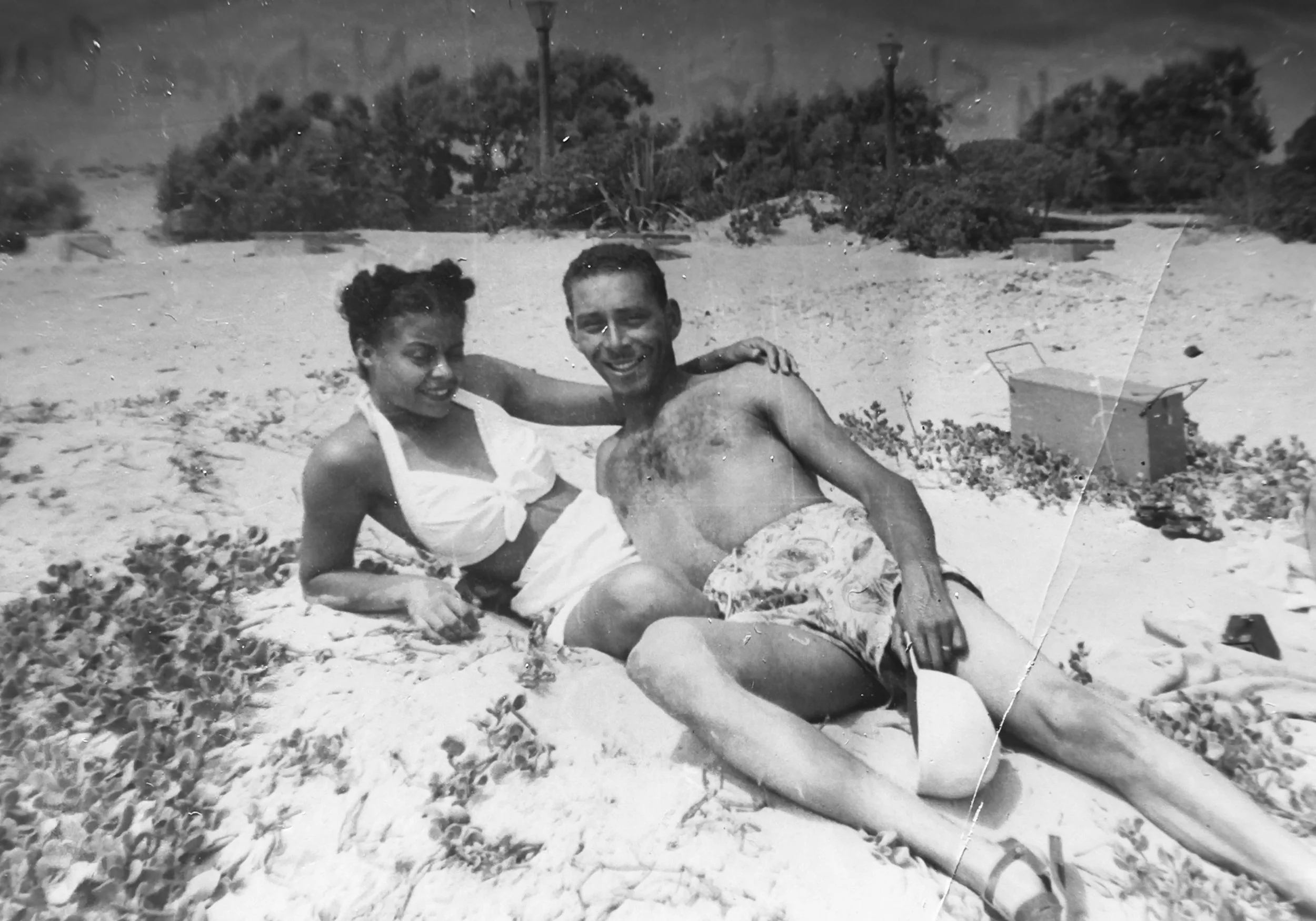
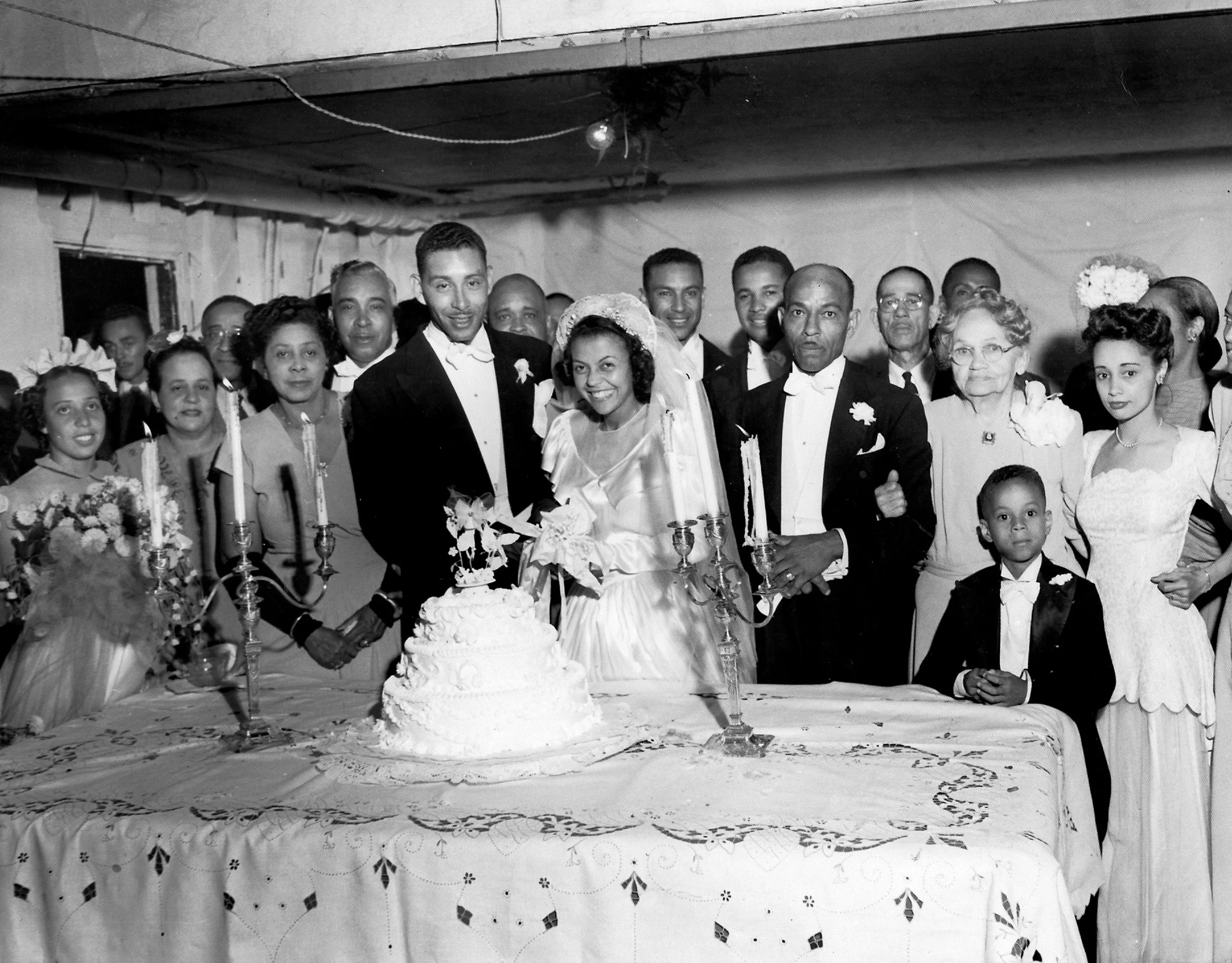
While studying at Columbia University and immersing herself in the cultural movement of the Harlem Renaissance, she met Army Captain Isaiah Sloan Blocker Jr. The two married in 1946 and made their home in Los Angeles.
The Art-mobile Teaching Legacy
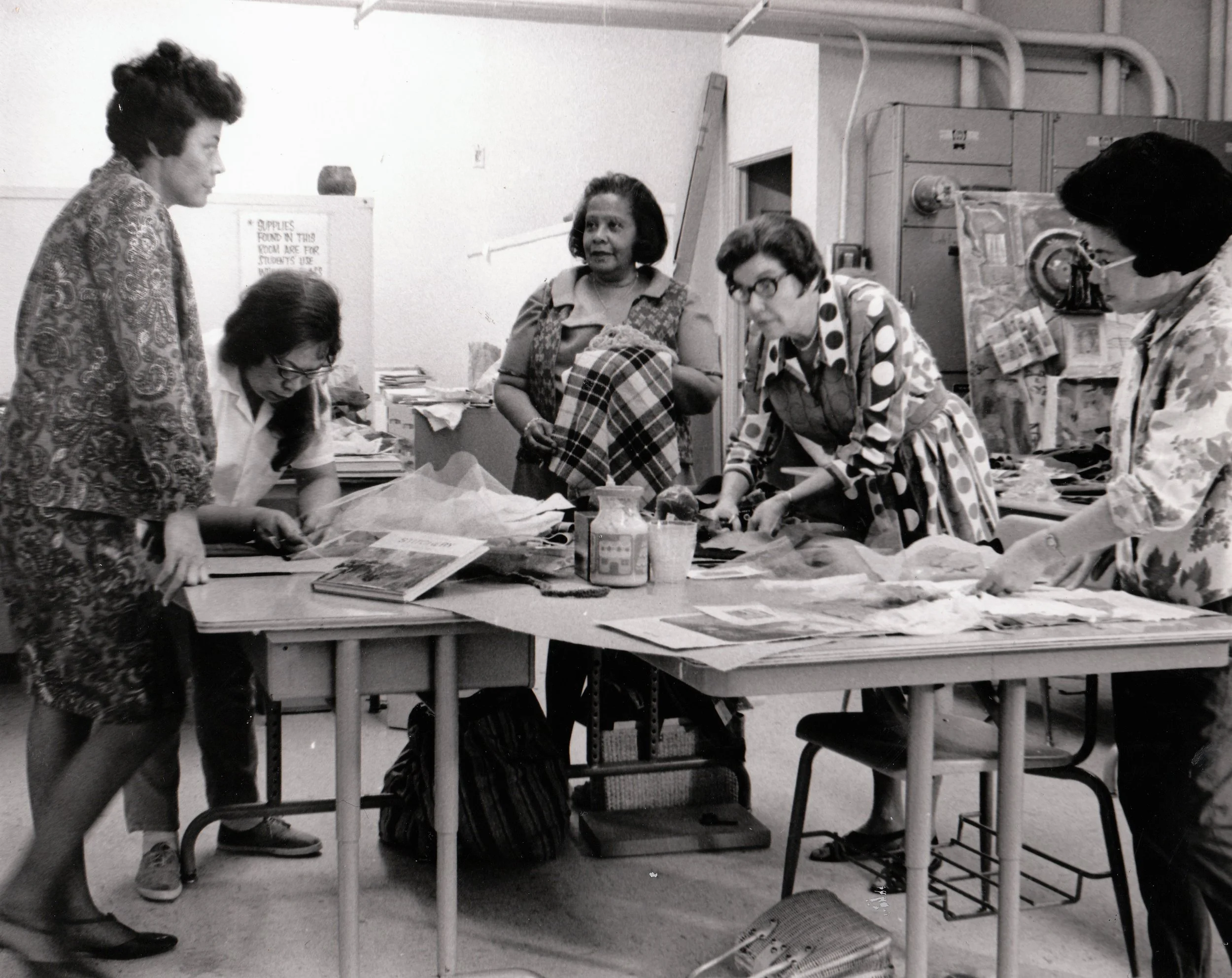
After two decades in the classroom, Melonee led an innovative LAUSD pilot program known as the “Art-Mobile”—a traveling art gallery and teaching studio. This initiative brought museum-quality artwork directly to high school students across Los Angeles, many of whom had never visited an art museum.
Students were introduced to contemporary artists, including women and artists of color, and received hands-on instruction in creating and analyzing art. Though the program lasted only one year, its impact was profound—some participants went on to become nationally recognized artists.
Melonee later expanded her teaching to institutions such as Santa Monica City College and the Claude Pepper Senior Center. She retired in 1984 after 40 years of dedicated service.
Melonee devoted her career to teaching art at both middle schools and junior colleges, shaping generations of students. At her home on Hobart Boulevard, near the Golden State Mutual Life Insurance Company, she and her husband hosted annual arts and crafts exhibitions that became vibrant community gatherings for artists across the city.
She was deeply inspired by Mexican culture, frequently traveling throughout Mexico. Its colors, textiles, and traditions influenced both her personal style and her artistic work.
Though humble, Melonee was committed to making art accessible. She exhibited her work in homes, community centers, churches, schools, and Black-owned businesses—bringing art directly to the people, especially within her community.
She was part of a pioneering generation of Black artists who helped lay the groundwork for the flourishing Black arts movement of the 1960s. This era brought renewed cultural pride and creative expression across Black America.
In Los Angeles, artist-run spaces such as Gallery 32 (founded by Suzanne Jackson) and Brockman Gallery (established by Dale Brockman Davis and Alonzo Davis) became vital hubs for exhibitions, dialogue, and activism. Meanwhile, Samella Lewis emerged as a transformative force—founding galleries, publishing books, and advancing scholarship on Black art.
Later Life and Legacy
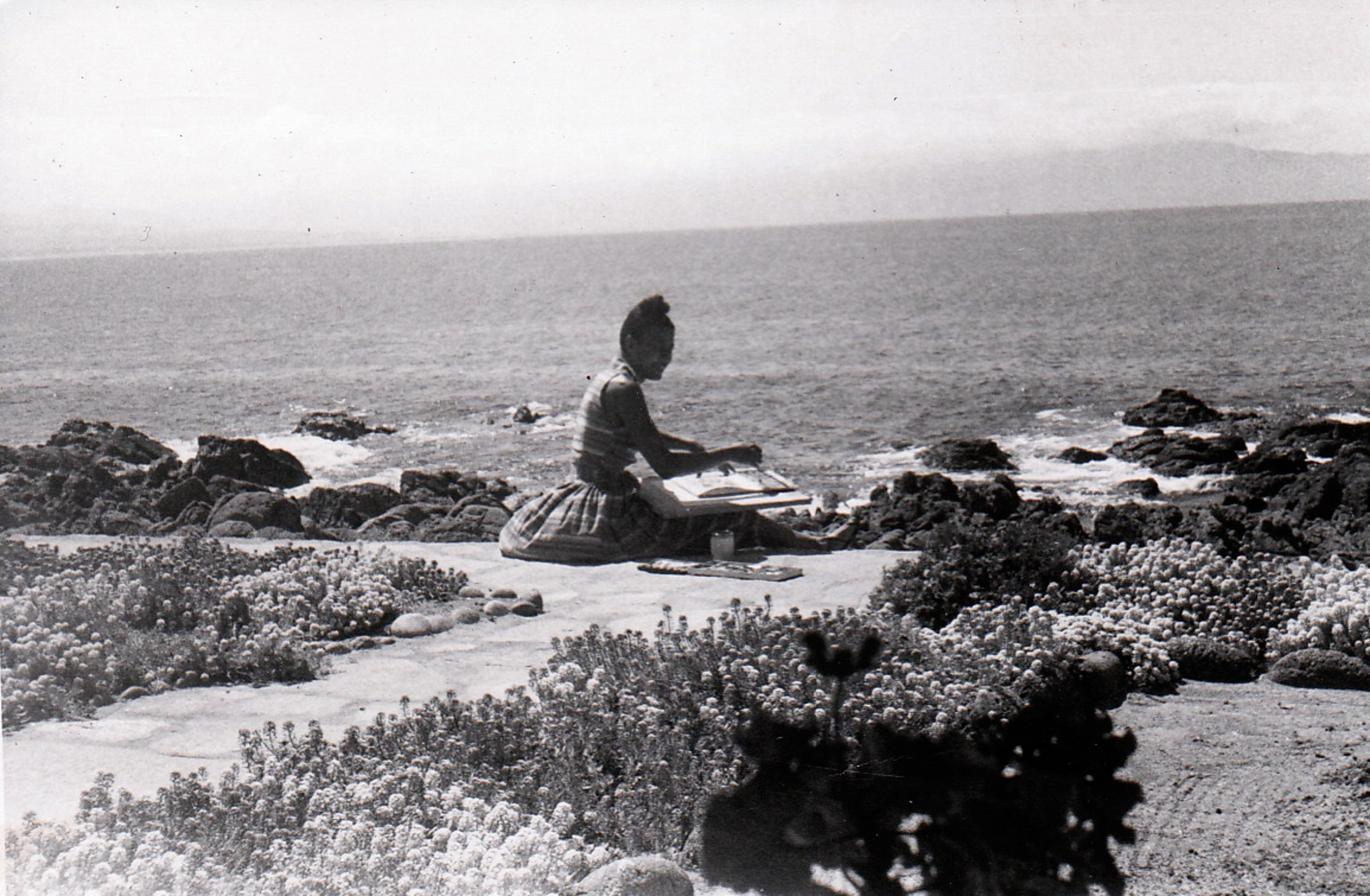
In retirement, Melonee continued to create art, with a particular focus on collage. She remained active in exhibitions, cultural fairs, and community education, often volunteering at senior centers.
She and her husband spent significant time in Mexico, where the landscape and culture inspired much of her later work. Above all, she cherished conversation, connection, and the sharing of artistic ideas—believing that art belonged to everyone.
Recognized as a “Black Art Treasure” by the City of Los Angeles and numerous cultural institutions, Melonee spent over 75 years advocating for Black artists and nurturing young creative minds.
Melonee Temple Blocker passed away peacefully in November 2006. At her memorial service, easels displaying her artwork lined the stage—a fitting tribute to a life devoted to creativity. Her ashes were scattered in the Sea of Cortez.